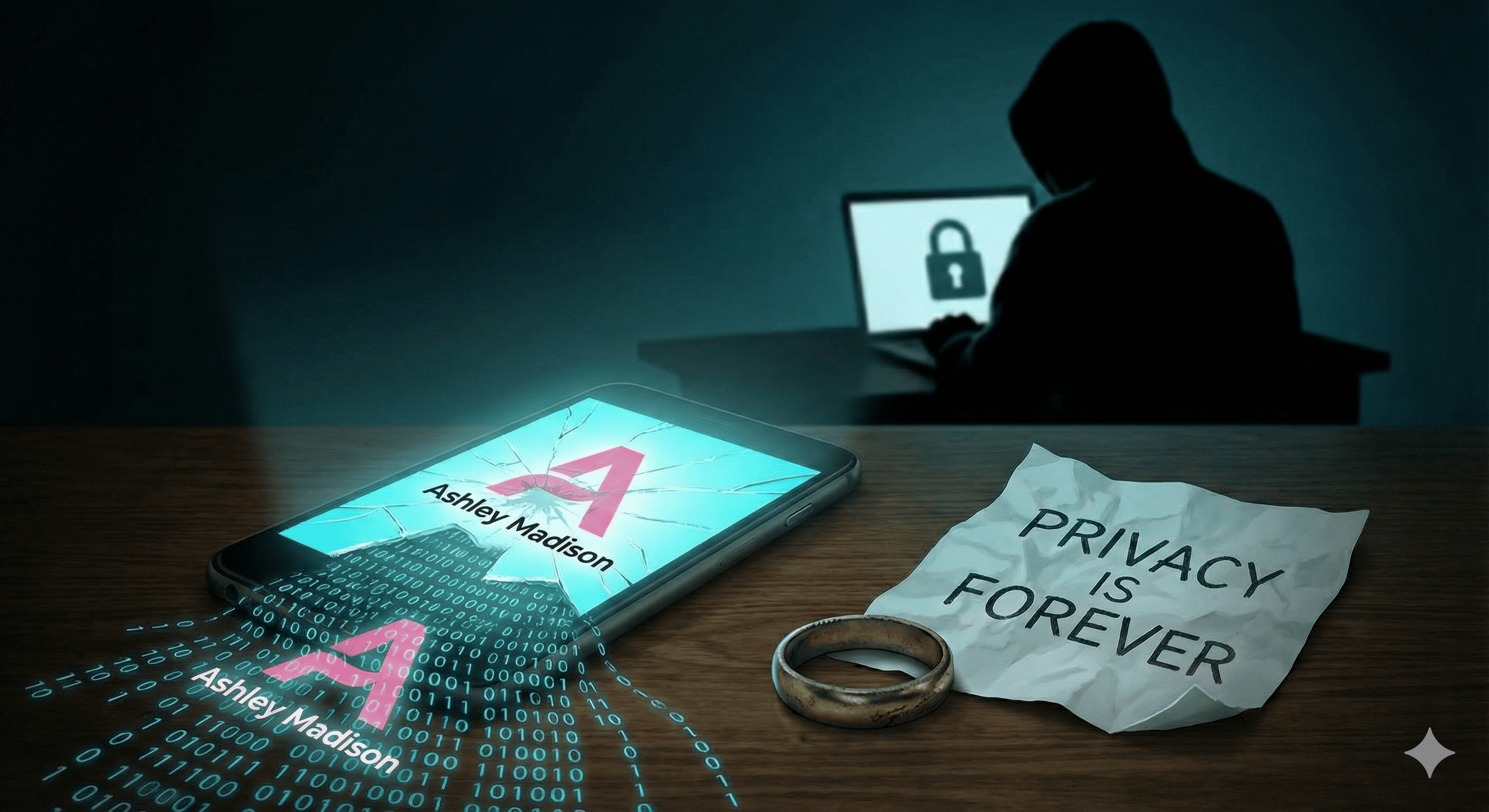
In the world of online dating, digital privacy isn't just a luxury—it’s a necessity. While we often worry about swipe fatigue or bad dates, the history of the internet offers a much grimmer warning about what happens when your private data stops being private.
Nothing illustrates this better than the infamous Ashley Madison hack of 2015. It was a watershed moment that proved even the most "secure" vaults can be cracked, leaving millions exposed.
Here is a look back at the breach that shook the world and the critical privacy lessons we should have learned from it.
The Hack Heard 'Round the World
In July 2015, a group known as The Impact Team infiltrated the servers of Avid Life Media, the parent company of Ashley Madison. For those unaware, Ashley Madison was a dating site marketed explicitly to married individuals looking to have affairs. Their slogan was iconic: "Life is short. Have an affair."
The hackers demanded that the site be shut down. When the company refused, the hackers released over 25 gigabytes of data.
What Was Leaked?
The dump was catastrophic. It wasn't just usernames; it included:
- Real Names and Addresses: Linking real identities to secret profiles.
- Credit Card Transactions: Proof of payment for services.
- Email Addresses: Including over 15,000
.miland.govemail addresses. - Profile Data: Deeply personal details, including sexual preferences and fantasies.
The Real-World Fallout
The aftermath was not just digital; it was physical and emotional. Because the nature of the site was illicit, the exposure destroyed lives.
The Reality Check:
"Privacy breaches aren't just about stolen passwords; they are about stolen reputations."
- Extortion: Scammers downloaded the database and began emailing victims, threatening to tell their spouses unless Bitcoin was paid.
- Career Ruin: Public figures, pastors, and government officials were forced to resign.
- Personal Tragedy: There were reports of suicides linked directly to the public outing of users.
The Fatal Mistake: Using "Real" Data
Looking back, the most shocking aspect of the breach wasn't that the site was hacked, but rather how easily users were identified.
Millions of users signed up using their primary email addresses (even work emails!) and linked their real phone numbers for verification. When the database leaked, there was no layer of separation between their secret life and their public identity.
If a user had used a burner phone number or an encrypted, anonymous email service, the leak of the database might have revealed a profile, but it wouldn't have pointed directly to their front door.
How to Protect Yourself (Post-Ashley Madison)
Whether you are dating, activists organizing protests, or just someone who values anonymity, the rules of 2015 still apply today.
1. Never Use Your Primary Phone Number
Your phone number is a unique identifier that links to your bank, your social media, and your address. If a dating app or website gets hacked, that number leads straight to you.
- The Fix: Use a temporary or virtual number service for verifications and initial chats. Getatext can help you do.
2. Assume Nothing is Deleted
Ashley Madison offered a "Paid Delete" service where users paid $19 to have their data scrubbed. The leak proved that the data was never actually deleted.
- The Fix: Be careful what you upload. Once it is on a server, you lose control of it.
The Bottom Line
The Ashley Madison breach taught us that no website is too big to fail and no database is perfectly secure. In the digital age, your privacy is your own responsibility. By using anonymous numbers and separating your digital identities, you ensure that a server leak doesn't become a life crisis.